





What is Paraquat?
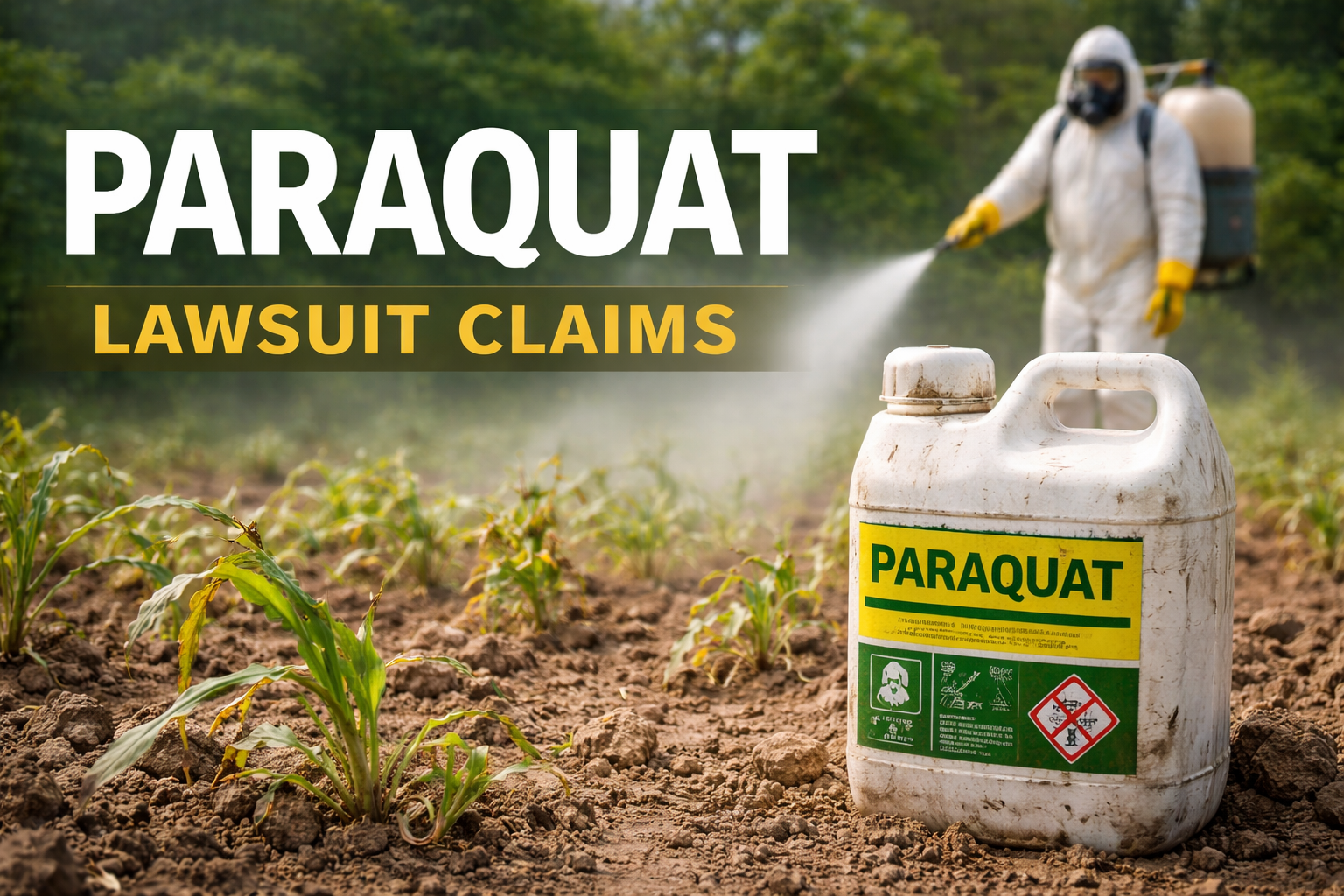
When it comes to toxic chemicals, one name, in particular, stands out. Paraquat was first used as an herbicide in the 1960s.
It was popular because of its ability to kill multiple plants at once and its low cost, making it inexpensive for many companies to purchase.
However, today this chemical is known to be highly toxic, which has caused many people to suffer injuries due to exposure to it.
Many individuals who report injuries related to paraquat exposure have sought legal review
through mass tort proceedings to explore potential compensation.
Background:
Since the 1950s, paraquat dichloride has been one of the most widely used herbicides in the United States for weed control in many agricultural and household settings. Despite its effectiveness as a weed killer, the chemical is banned in 32 other countries. The Environmental Protection Agency has limited its use to licensed applicators due to its toxicity. The CDC has stated that paraquat poisoning can cause serious health issues even with infrequent contact, notably showing an increased risk of Parkinson’s disease.
About Paraquat-Related Claims
The paraquat lawsuit encompasses a range of legal actions taken by individuals who have suffered serious side effects due to paraquat exposure.
Failure to Warn
Negligence
Product Liability
Paraquat Poisoning Side Effects
Exposure to paraquat can occur through inhalation, ingestion or skin contact. Those who lived on or near a farm have been shown to have an increased risk of exposure, to the herbicide. Paraquat has been linked to causing severe side effects on human health.
The following are common legal allegations discussed in paraquat-related litigation and are provided for general informational purposes only.
Neurological Disorders
Respiratory Issues
Gastrointestinal Problems
Organ Damage
Paraquat Lawsuit Update 2024
-
Surge in Philadelphia Paraquat Lawsuits: As of June 13, 2024, the number of paraquat lawsuits in Philadelphia surged nearly 50%, rising from 500 to 728 cases. This increase was attributed to improved results in other mass tort cases and concerns over the handling of the MDL in Illinois, leading many lawyers to prefer state court proceedings.
-
California Legislative Action: On June 10, 2024, California Assembly member Laura Friedman introduced Assembly Bill 1963, which seeks to ban the paraquat herbicide starting January 1, 2026. This legislative move is supported by labor leaders and underscores ongoing concerns about the herbicide’s extreme toxicity and its impact on farm workers.
-
New Cases and Expert Testimony Challenges: In April 2024, Chief Judge Rosenstengel dismissed four key bellwether lawsuits after excluding testimony from Dr. Martin Wells, a primary expert on causation. This ruling significantly affected plaintiffs’ ability to prove a link between paraquat exposure and Parkinson’s disease, requiring both sides to select new cases for limited discovery.
-
Bellwether Trial Delays and Case Management: In January 2024, the MDL Court issued a case management order mandating depositions in 25 cases to be completed within two months to better manage the growing caseload. The court had previously delayed the first bellwether trial from 2023 to 2024 to allow for deeper review of evidence and expert testimony.

Our Services
Claims We Assist With